Should You Rekey or Replace Home Locks — Understanding the Core Difference
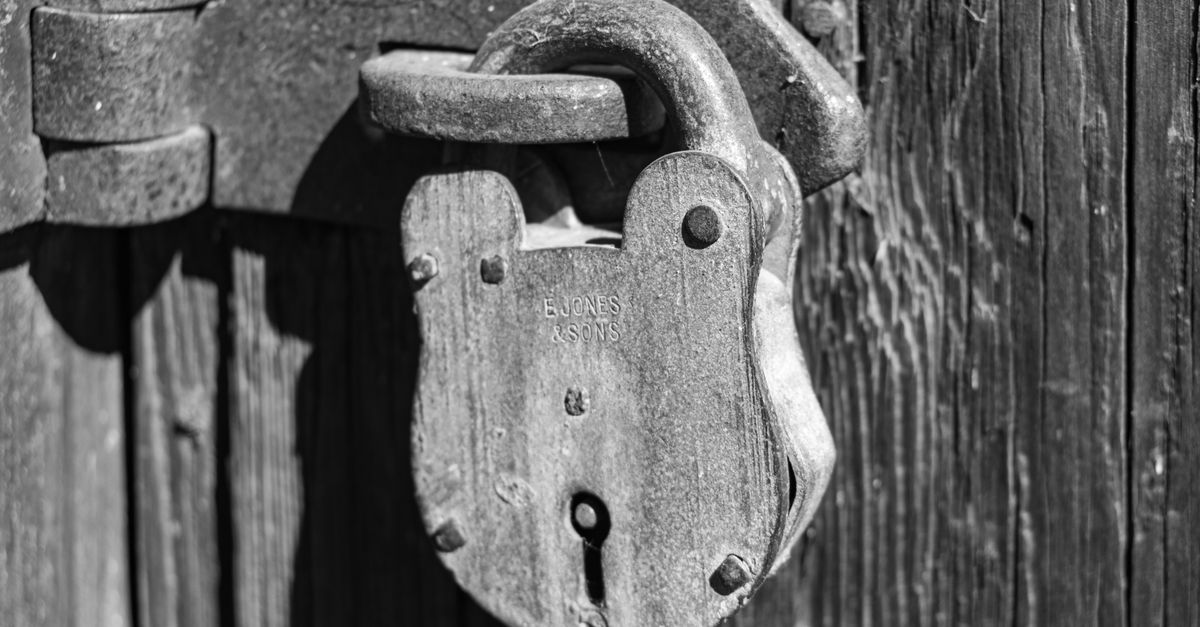
Rekeying means a trained technician disassembles the lock cylinder and rearranges its internal pin tumblers so that the old key no longer operates the lock and a freshly cut key does. The lock body, the hardware finish, and the overall mechanism stay exactly where they are — only the internal configuration changes. It is the right call when the existing lock is in good mechanical condition, when you simply want to eliminate access for previous keyholders, or when an HOA property management company needs to cycle keys across multiple units efficiently without re-hardware-ing every door. A mortise lock rekeying, for example, is a precise job that requires experience with the specific cylinder cartridge design — our technicians carry the proper tooling to handle Schlage, Kwikset, and other common mortise formats without damaging the door or the surrounding mortise pocket.
Full lock replacement means removing the existing hardware entirely and installing new locksets or a new mortise lock assembly. This is the appropriate path when the existing lock is worn, damaged, misaligned, or functionally outdated; when you want to upgrade to a higher security grade (such as moving from a standard Grade 3 door knob lock to a Grade 1 deadbolt or a reinforced mortise lock system); or when you are standardizing hardware across a commercial property with multiple access points. Replacement also makes sense if a forced entry attempt has stressed the bolt or strike plate beyond safe function. Our mobile unit arrives stocked with a range of replacement hardware so most residential and commercial jobs are completed in a single visit — no second appointment needed.